
Seasonal Sonoma Wedding Flowers: Why Yours Won’t Match Pinterest (and Why That’s Good)
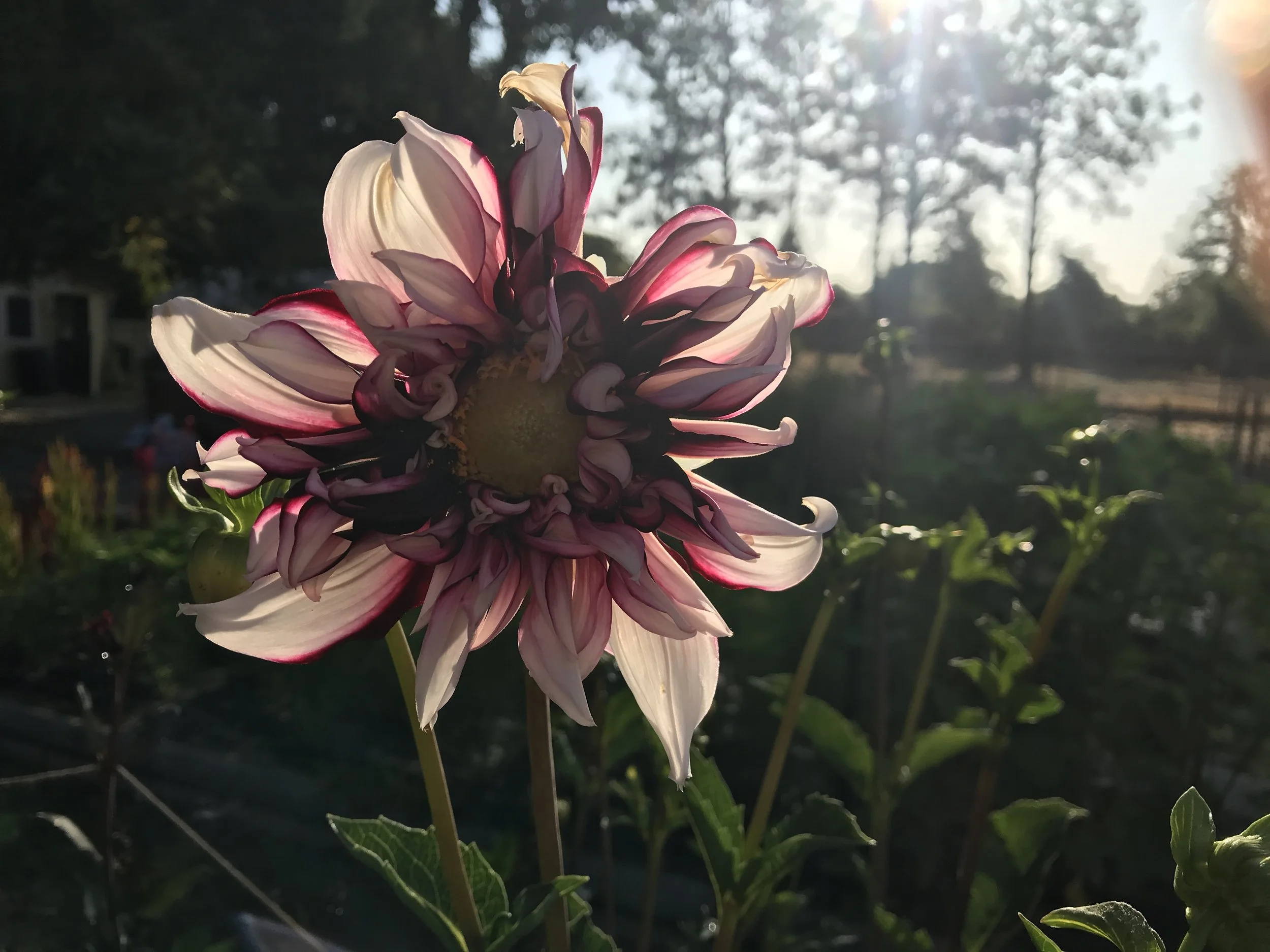
Just after sunrise, when the light is still soft and the air holds onto the night’s coolness, the colors in the field look different. A dahlia that felt pale and creamy a few weeks ago now carries a deeper warmth. The greens seem fuller. The tones more grounded. Nothing dramatic has happened. The flowers have simply responded to longer days and warmer evenings.
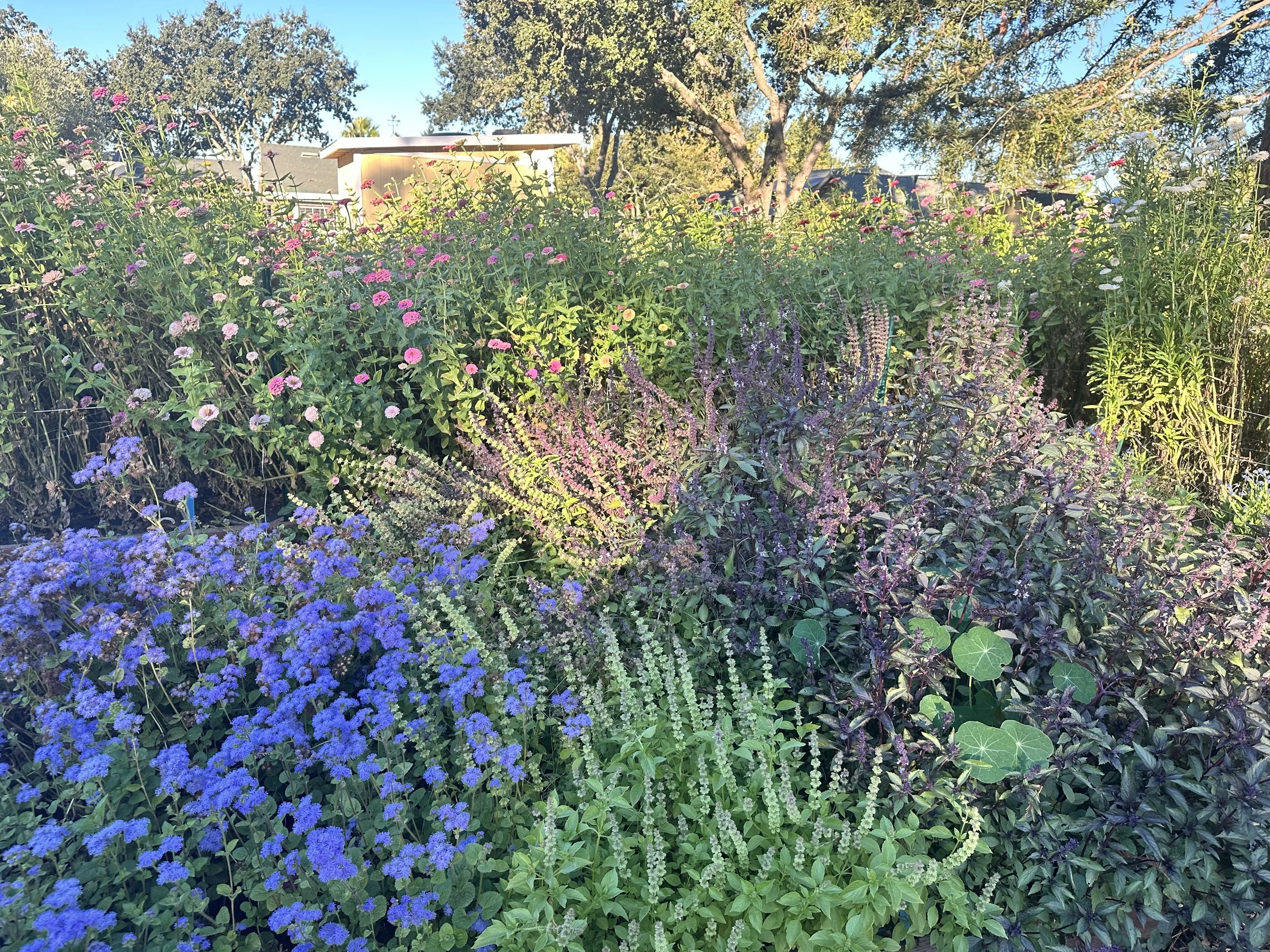
Those subtle shifts are easy to miss unless you are walking the rows regularly here in Santa Rosa, where growing Sonoma wedding flowers means paying close attention to how light, temperature, and soil shape what is possible week by week.
This is why no two weeks in the field look the same. And it is also why no two weddings should either.
The Expectation Gap
When couples begin planning their wedding flowers, they often come with images they love. That is a great place to start. Inspiration helps put words to a feeling that can be hard to describe.
What is less obvious is the assumption behind those images.
It is easy to think of flowers as something consistent and repeatable, like decor that can be sourced again on demand. Find the photo, match the recipe, recreate the look.
But flowers do not work that way.
They are not inventory. They are timing.
This is the reality of working with seasonal Sonoma wedding flowers, where small shifts in weather can change what the field offers week to week.
Even the Same Flower Won’t Match Itself
One of the most fascinating parts of growing flowers is how much they change over the course of a season. Day length affects how a plant develops. Temperature influences how strongly its color shows up. The soil underneath it all determines how well the plant can actually do its job.
Take Crichton Honey, one of my favorite dahlias. Early in the season, when nights are still cool and the plants are just getting established, it often blooms in a softer buttercream shade with a gentle peach undertone. The color feels light and fresh. Later in the summer, after weeks of steady warmth and longer days, that same variety frequently produces blooms that are noticeably richer. The honey tone deepens. The peach warms. The overall color becomes fuller.
It is the same variety growing in the same beds, yet it responds to different conditions.
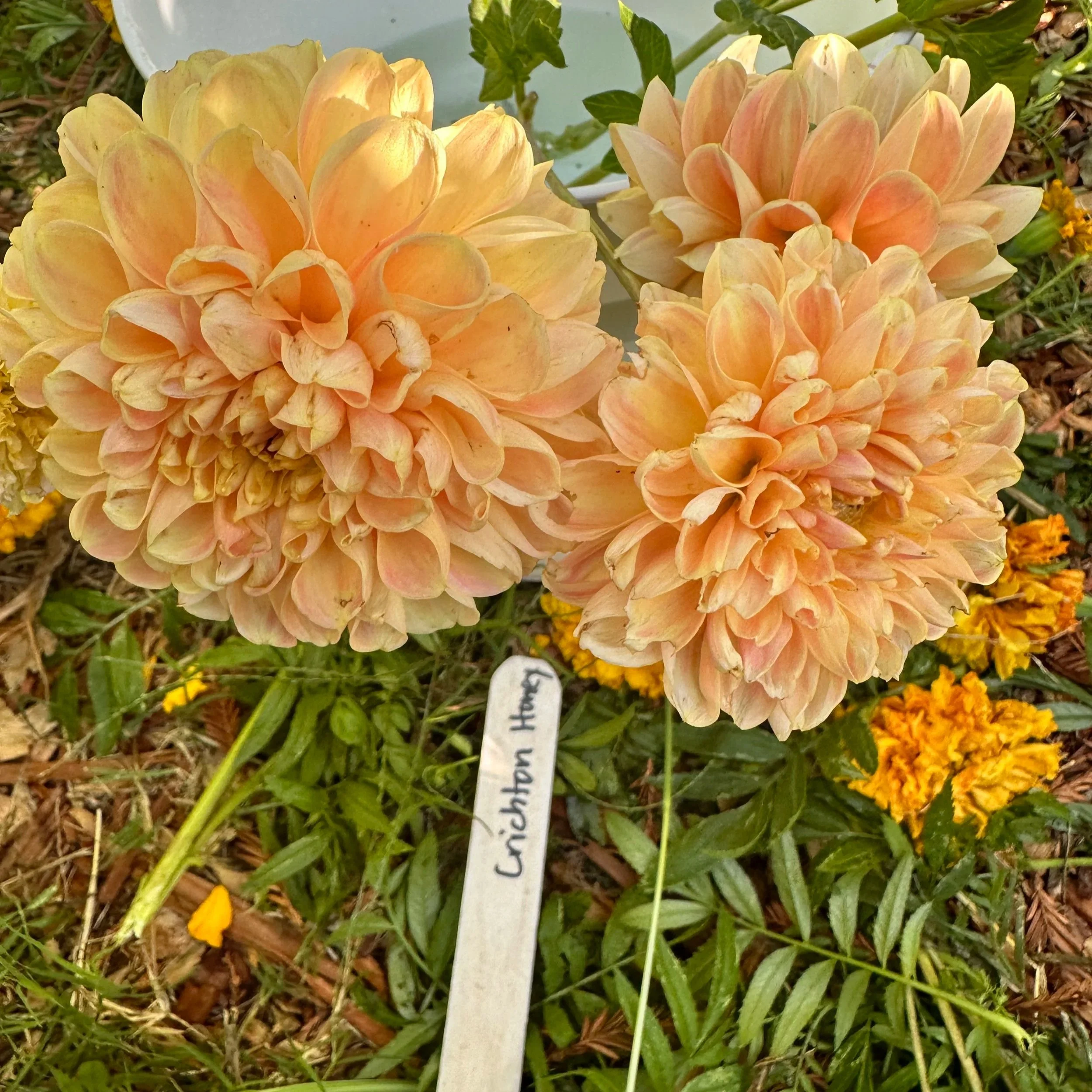
Early season Crichton Honey, when cooler nights keep the tones lighter and more open.
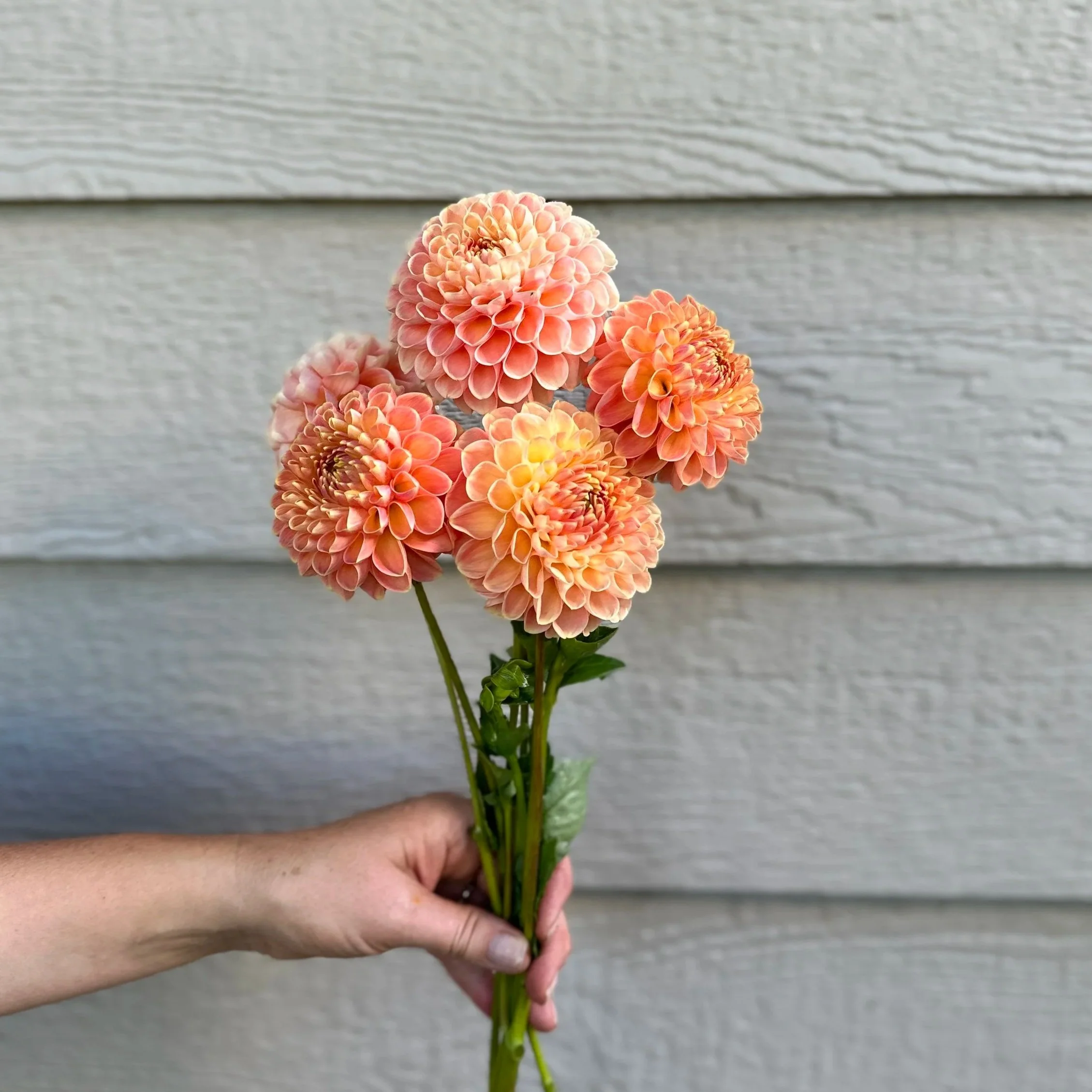
The same Crichton Honey later in the season, after weeks of warmth deepen the color and tighten the form.
The same variety, grown in the same beds, just weeks apart. This is why seasonal flowers can’t be matched to a static image.
Expecting an exact match to a photo taken at a different time, in a different place, is a bit like expecting a tree in spring to display fall color. The conditions are not the same, and that difference is exactly what creates the beauty of each moment.
The soil plays a steady role in this as well. When the soil is healthy and well cared for, the plants grow stronger stems and have what they need to develop their color fully. When the soil is depleted, everything is weaker. The stems are thinner. The blooms are smaller. The color can look washed out.
It is not dramatic. It is simply how plants work.
Flowers reflect where and when they are grown.
Farming First, Designing Second
This is where my approach as a Sonoma wedding florist may feel a little different.
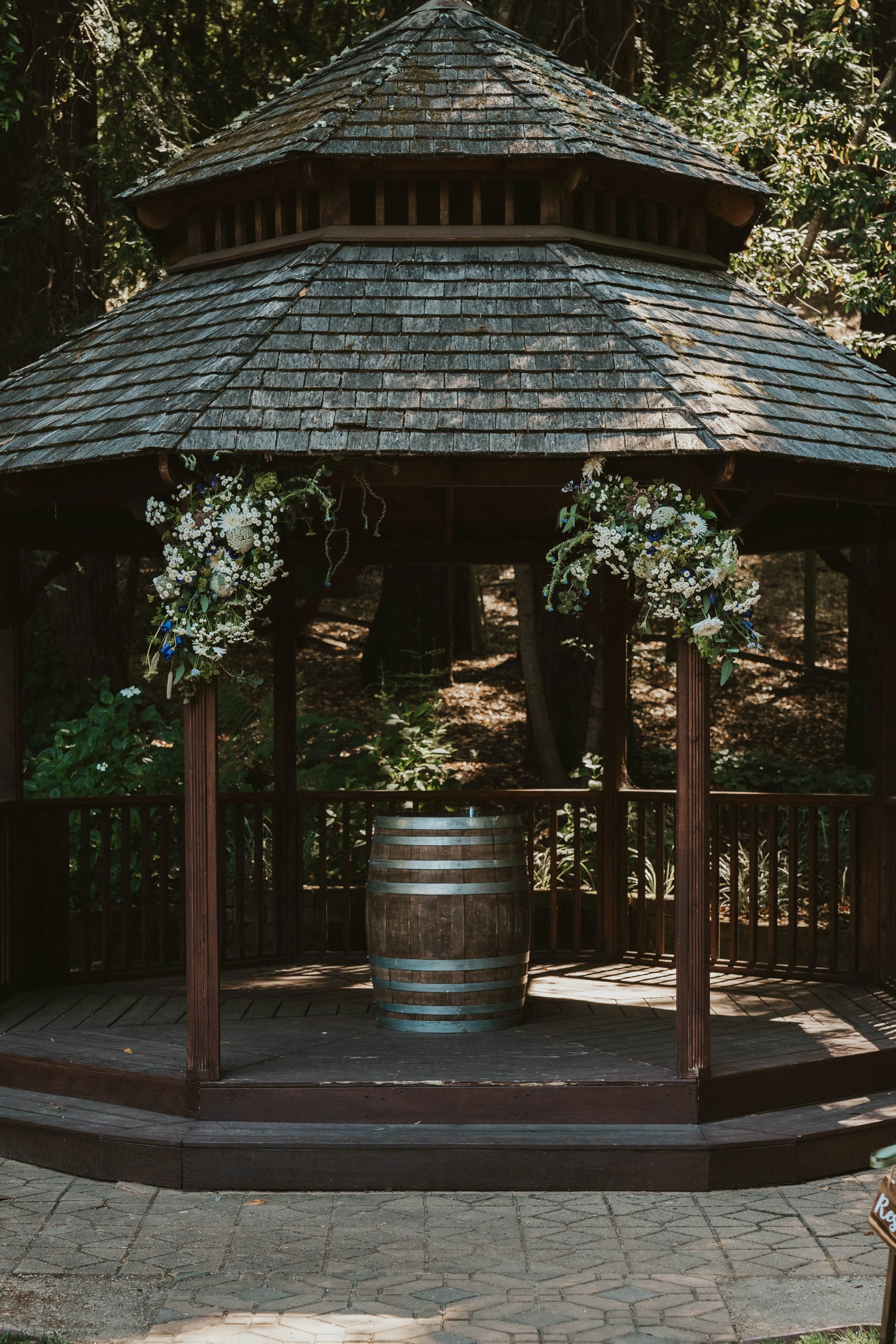
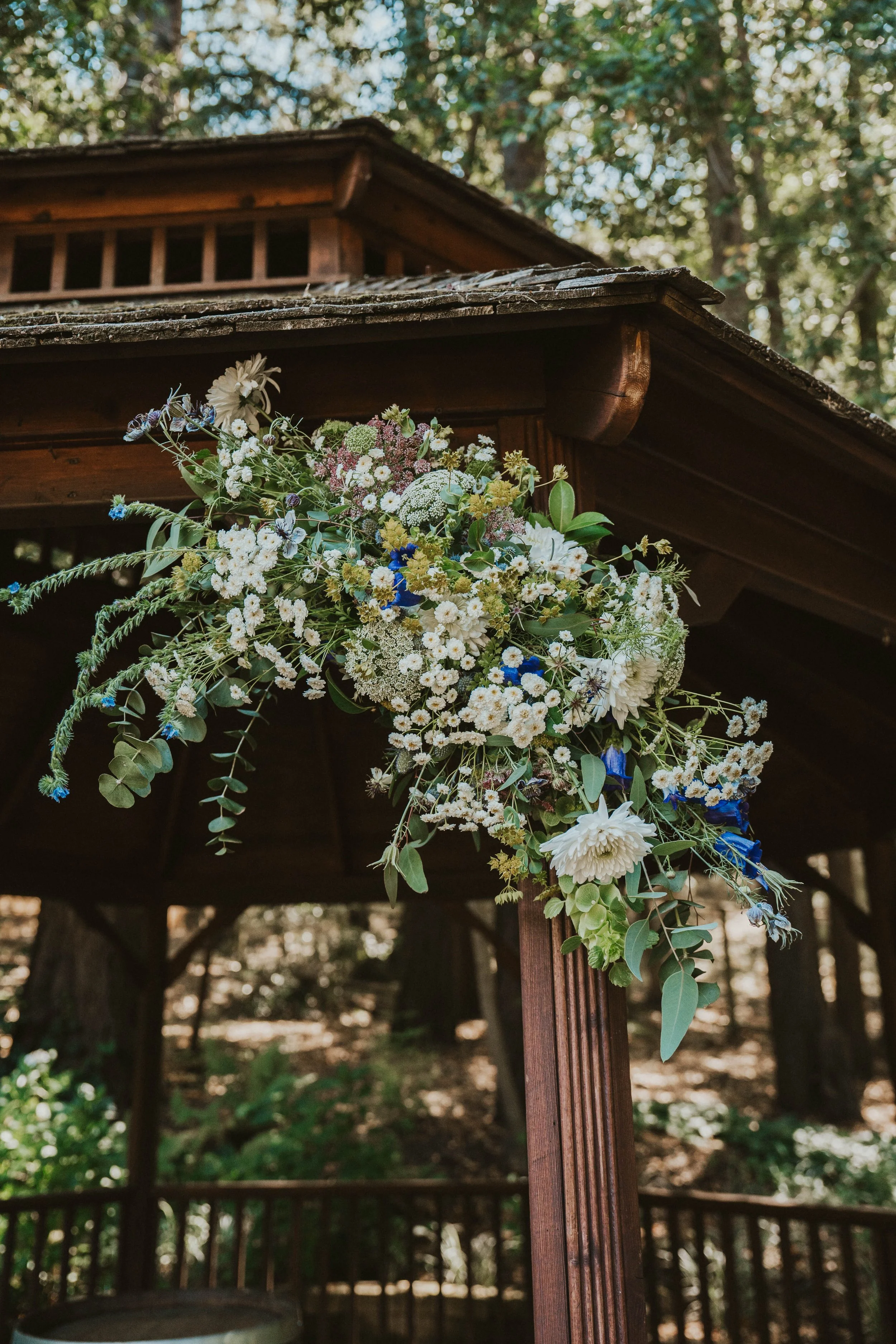
I do not start with a fixed recipe and go looking for flowers to match it. My work begins in the field, paying attention to what is thriving, what is strong, and what looks beautiful that week.
From there, the design takes shape.
That does not mean there is less intention. It means the intention is applied differently. Instead of forcing flowers into a predetermined look, I am composing with what is naturally at its best.
If you want to see how that comes to life in real weddings, you can explore our Sonoma wedding florist services.
What Great Floral Design Actually Does
A great floral design is not about copying a photograph.
It is about understanding what you are drawn to and translating that feeling into something that belongs in your setting, at your moment in time.
Maybe it is the softness of the palette. The movement of the stems. The way the arrangement feels relaxed but still elegant.
Those qualities can absolutely be recreated.
The exact combination of flowers, in the exact tones shown in a photo taken somewhere else, at another time of year, usually cannot.
And that is not a compromise. It is an opportunity.
Because when flowers are chosen at their peak and designed with intention, the result feels more connected, more natural, and ultimately more memorable than something that was simply copied.
This is where design shifts from copying to composing.
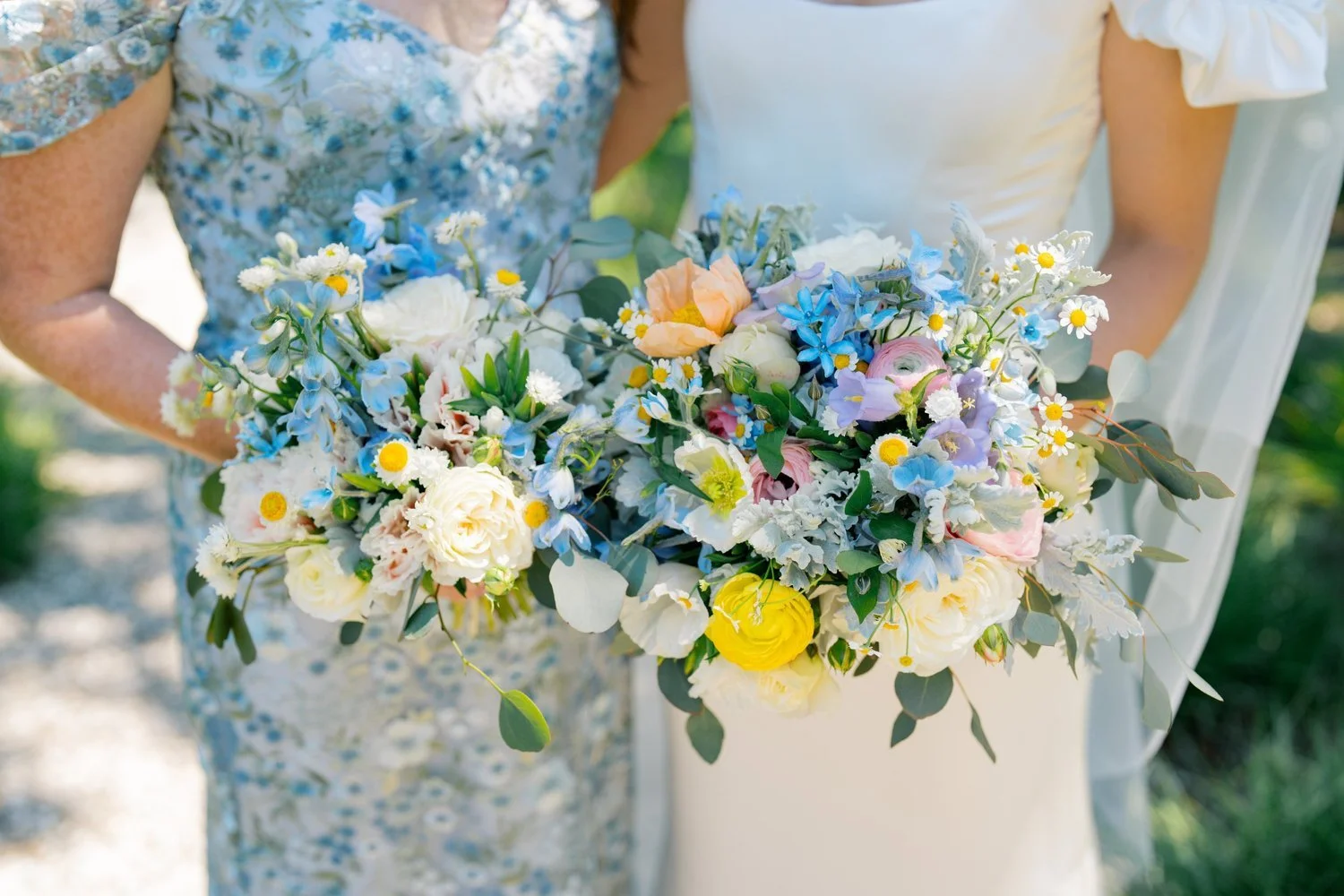
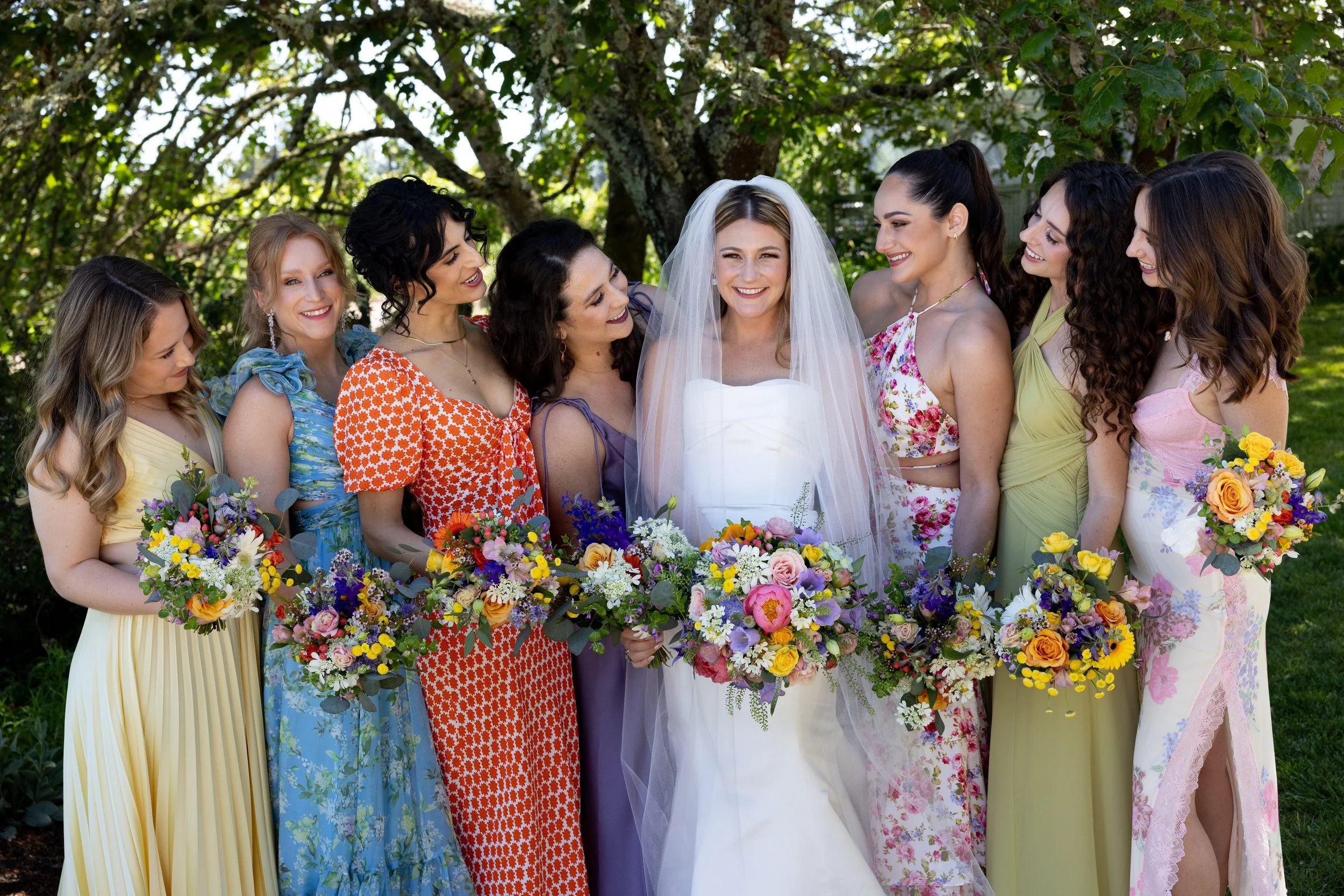
Bouquets designed to feel cohesive rather than identical, using flowers at their peak instead of matching a fixed recipe.
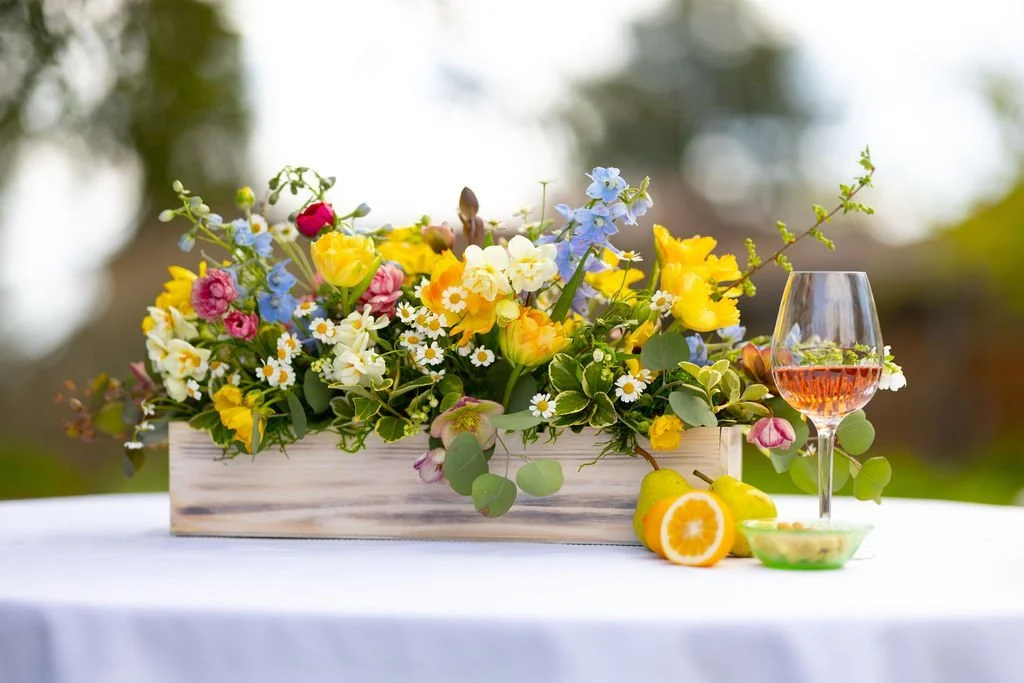
The same approach carried through the rest of the design, where color and texture come from what is thriving, not what is forced.
A Better Place to Start
Instead of asking for a specific arrangement to be recreated exactly, it can be more helpful to start with what you love about it.
Soft and natural
Airy and light
Layered and textural
Calm, but not flat
Those kinds of descriptions give us something real to work with. They allow the flowers, the time of year, and the design to come together in a way that feels cohesive instead of forced.
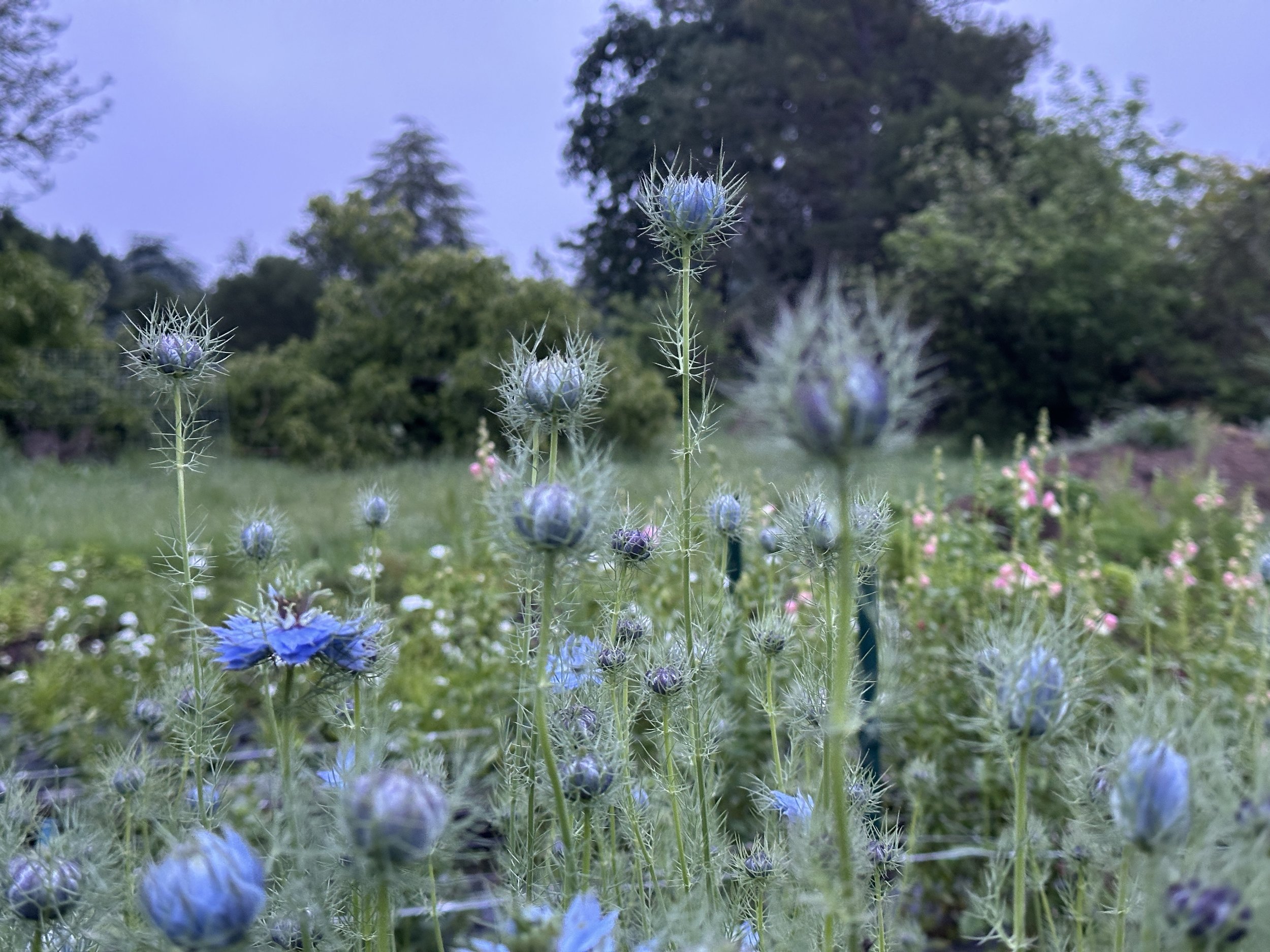
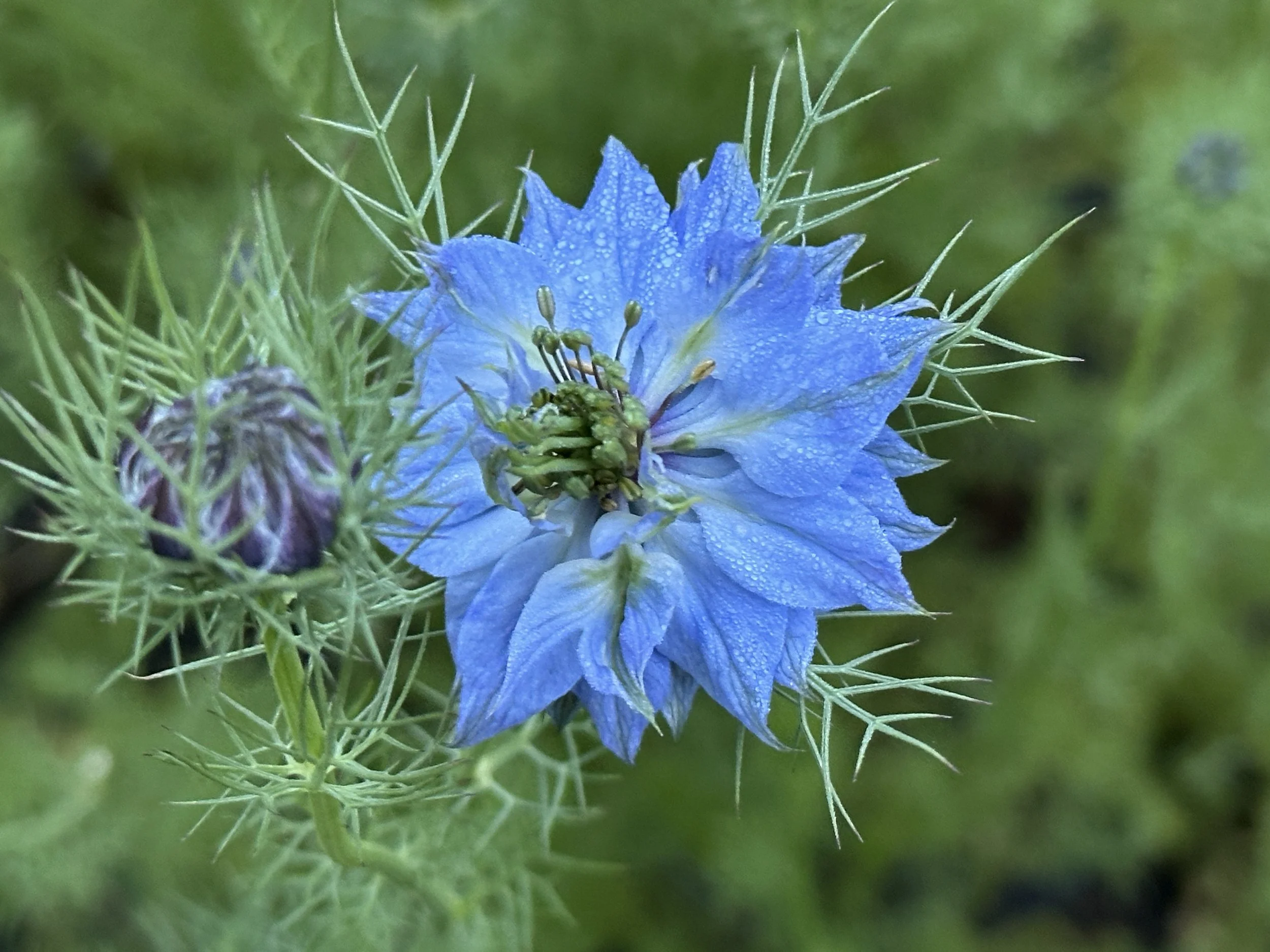
If you are curious about the thinking behind this approach, you can learn more here:
An Invitation
Most mornings, when I walk the rows at sunrise, I am reminded that flowers are always in motion. Subtle changes in light, temperature, and soil shape what is strongest and most beautiful that week.
When flowers are chosen from that place, rather than pulled from a fixed recipe, something shifts. The design feels more grounded. The colors feel more connected to their surroundings. The entire arrangement carries a sense of ease.
If you are drawn to a particular look, bring it. I want to see what you love.
Then let me translate it into something that fits your date, your setting, and what is truly at its best.
Because the goal is not to recreate a photo.
It is to create something that feels just as beautiful, and far more alive—because it could only exist at that moment.
If this approach resonates with you, you can learn more about our wedding work here.
